The argument in brief
- The question
- Are we avoiding the small failures that learning a skill depends on?
- The claim
- To get good at a new skill or try new things, we need to be prepared to fail many times, because small failures give us the feedback we learn from. Much procrastination is really an aversion to that failure. Confidence: A personal reflection. No studies cited.
- The evidence
- My own observation that I have never met someone who draws regularly and is still not good at drawing.
- Everyday examples such as learning to walk, and a general picture of learning by trial and error that I don't source here.
- The best counter
- Failing often isn't enough on its own: without useful feedback and a deliberate attempt to improve, people can repeat the same mistakes for years. And some failures are costly enough that avoiding them is sensible.
- What would change my mind
- Evidence that people who attempt a skill often and accept many failures improve no more than people who practise less, or that procrastination on skills is mostly explained by something other than fear of failing.
- Open gaps
- 2 gaps. Statements I haven't verified yet. Each is marked in the text.
The question: Are we avoiding the small failures that learning a skill depends on?Our brain is an incredible machine that learns through failure. Unverified: Its goal is to filter the signal from the noise: the signal being the actions that were deemed successful, and the noise being the actions that were unsuccessful.Gap · needs evidence: This is my own picture of how the brain learns. I haven't checked it against research on learning and feedback.
This is how we learn. Whether it is learning to kick a football into the upper right corner of a goal, or how to write complex computer programs, you do it through trial and error. Yet, as sophisticated humans, we are so averse to trying things we know we will fail at.
Are you good at drawing?
Let me ask you a question. Are you good at drawing? It’s probable that a lot of you reading this will say “no”.
Now show me a person who is not good at drawing, but draws every day, every week, every month and every year. I’m yet to meet that person.
A competing explanation: Repetition alone may not be enough. Without useful feedback and a deliberate attempt to improve, people can repeat the same mistakes for years. And some failures are costly enough that avoiding them is the sensible choice.You’re not bad at drawing, you just don’t want to embrace the thousands of failures that will allow your brain to learn. That’s okay. Maybe drawing isn’t a priority after all.
When it is a priority
But what if it is a priority? What if you do care about being better at a skill? Do you find yourself procrastinating and avoiding trying because you only want to succeed?
Want to start blogging but don’t have the right publishing platform or enough ideas to create just three articles?
Want to build your own app but you just haven’t found the right idea, or you’re not sure what language to write it in?
Want to fall in love, but you just haven’t found the person who ticks all your boxes?
This is procrastination. What’s really happening is that you’re averse to failure. Maybe that’s because it might affect your self-esteem. Maybe you’re quick to judge that it’s not worth it should you not get some measure of success right away.
You are the product of failure
If this is you, just remember: you are the product of evolutionary failure. Unverified: For you to be here right now, evolution had to fail millions of times over and over.Gap · needs evidence: I state this as a fact about evolution without a source, and it is a loose way of describing how evolution works. Take walking for example. You learned to walk by failing countless times. This is how you succeed.
So take a moment and reflect on what your goals are. Now flip the narrative and consider what failures you are to seek in order to progress. Be honest if you start talking yourself out of trying because conditions aren’t right. Embrace the failure. If you’re not failing, you’re not growing.
The ah-ha moment
What would change my mind?: Evidence that people who attempt a skill often and accept many failures improve no more than people who practise less, or that procrastination on skills is mostly explained by something other than fear of failing.Today’s ah-ha moment is that Claim, confidence:a personal reflection; no studies cited: in order to be successful learning a new skill or trying new things, you need to be prepared to fail. All around us is evidence of micro failures that help us learn. Failure gives us the feedback loop which we can inspect and adapt.
Books behind this essay
Not sources for any claim here. These are books I have finished that shaped how I think about this question. Where I rely on evidence, it is cited in the text.
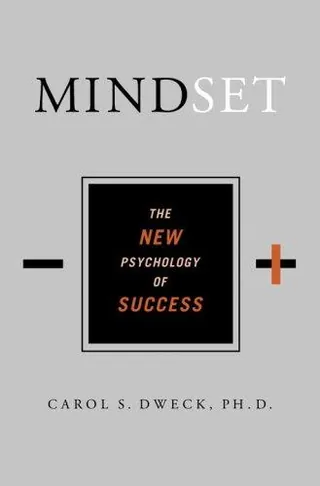
Mindset (opens audible.co.uk, external site)
Shaped how I think about failure as part of learning rather than a verdict on our ability.
Black Box Thinking (opens audible.co.uk, external site)
Shaped how I think about treating failure as feedback we can inspect and learn from.
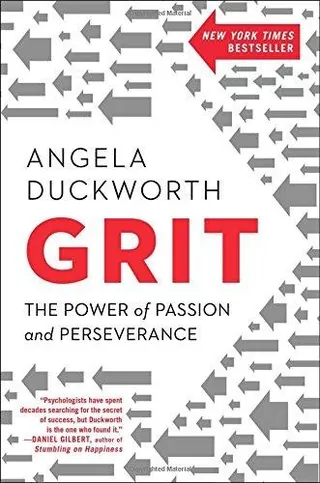
Grit (opens audible.co.uk, external site)
Shaped how I think about sticking with a skill long enough for the practice to pay off.