Thinking & Reasoning
The way we use computers will change forever
From prompting an AI to handing it the problem.
Essays on reasoning, learning and building, written to help you think well and act on it.
Thinking & Reasoning
From prompting an AI to handing it the problem.
Research & Understanding
Saving information isn't the same as learning it. That is the Collector's Fallacy.
Discourse & Trust
If the news leaves you drained, ask whether they only want you to think it's worse than it really is.
I will try to discover what is true rather than defend what my audience, my community or my existing beliefs would prefer to be true.
That is the first line of a public, versioned constitution for how I research, reason and write. It is a commitment I will sometimes fail to meet, not a certificate that every piece is right, and it invites challenge. Read the constitution.
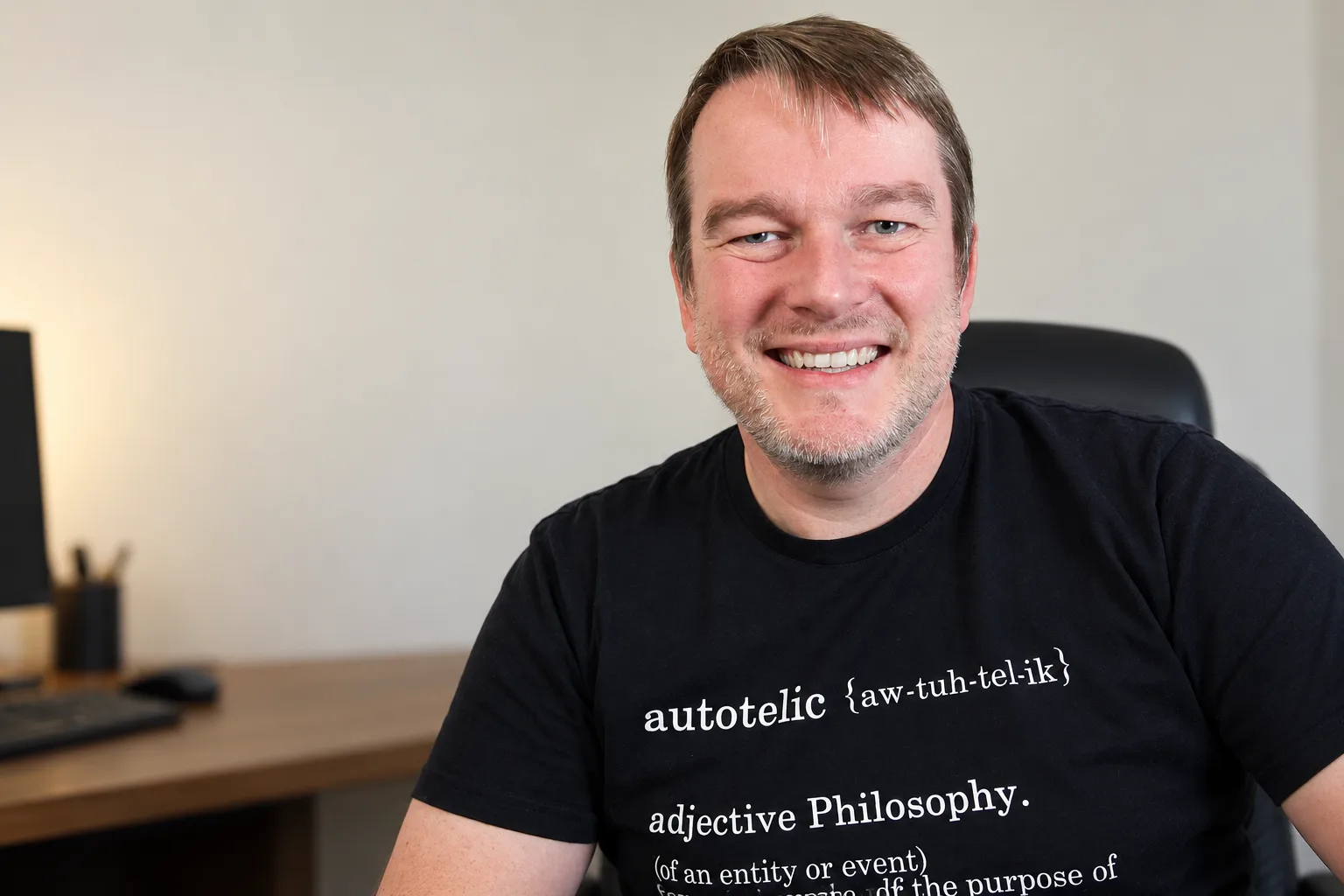
Martin Adams founded Meda in 2000 and leads its products and client work. He is Chief Innovation Officer at MattressOnline, which he helped found, and wrote Atomic Note-Taking. He believes technology should amplify people, not replace them.
This publication is separate from Meda and Atomic Workflows. Commercial interests are disclosed where they bear on the writing.
Begin with this question
What changes when an AI can own a problem instead of answering a prompt?
The standards behind the work
Here are a few lines from one of the essays on this site. Each step below lights up the part it describes, using the same marks you will see in the essays.
The questionCan I argue against my own beliefs, without emotion taking over, well enough to find out where they are wrong? Claima personal observation, not testedWe all have our inner scripts of our beliefs ready to deploy at any moment. ReasoningWhen we believe something, we’re quick to dismiss countering information. Why? It doesn’t align with our belief system. A competing explanation“The middle” isn’t always where the truth is. Some questions have a clear answer, and treating every disagreement as two halves to be averaged is its own mistake. ConclusionSo ask yourself: “when is this not true?” What would change my mind?Seeing people who regularly ask it turn out no better calibrated, or simply more stubborn, than people who don’t.
Lines from “Can you contradict yourself?”, with the marks the essay carries.
Every essay starts with a question, so you know what is being asked and why it matters.
A claim you can test is a claim you could be wrong about. That’s the point.
I write the reasoning out, so you can see exactly where you would disagree.
Evidence can cut both ways. I name the best rival explanation, and say when I have no evidence.
I say what follows and what would change my mind, so you can hold me to it.
New essays, when there is something worth saying. No schedule, no urgency.
You're subscribed — thanks!