The argument in brief
- The question
- If the time is going to pass anyway, how should we choose to spend it?
- The claim
- Time passes whether we use it or not, so if we're going to spend it doing something anyway, we might as well do it with impact. Being a force multiplier for other people is one way to do that, and it tends to open doors to opportunity. Confidence: A personal view and a value I hold, drawn from my own reflection and mentoring. No studies are cited.
- The evidence
- My own reflection on how I spend my days, and what I say to the people I mentor.
- No studies or data on whether people who aim for impact, or who energise others, end up with more opportunity or a better life.
- The best counter
- Mindless routine and the 'logical' choice have their place: rest restores us, and for many people the safe option protects things that matter more than impact.
- What would change my mind
- Evidence that people who deliberately aim for impact are no more fulfilled, and meet no more opportunity, than people who focus on getting the routine right.
The question: If the time is going to pass anyway, how should we choose to spend it?Reflect on your day. Was it a forgettable day like so many prior? Sometimes when I watch the sun start to set I look at the glow in the sky and I think “I’ll never see this sun set again, and this day will be gone forever”.
Time is fleeting. Whether we spend it on something purposeful or simply go through the motions until the days are over, it’s the same for all of us.
Three ways to spend your time
I feel there are three ways that you can spend your time.
- In a mindless passing. You know, the usual habitual routine of eat, sleep, work, repeat.
- In a seed sowing state. This is where you invest in something that will come to fruit at a later stage. It could be something as simple as learning something new, establishing a new habit, or investing in your career that will pay off one day.
- Actively creating impact. This is where you use your skills and knowledge to do something that has a lasting effect.
Life is boring when you do what’s logical
Every so often I find myself mentoring. Usually it’s to help someone solve a problem, get unstuck, or think about what they want for their future. But there’s one thing I like to keep enforcing when I talk. Life is boring when you do what’s logical.
In a recent session I said the words “if I’m going to spend the time doing it anyway, I might as well do it with impact”. And I truly believe it. Life is short, fleeting, and there’s so much out there to achieve. Not the “I’ve made a load of money” type of achievement, but more like “life is better when you hear the music”.
Be a force multiplier
What would change my mind?: Evidence that people who deliberately aim for impact, or who set out to energise others, are no more fulfilled and meet no more opportunity than people who simply get their routine right.There’s another way to consider this. When you engage with other people, strive to be someone who is a force multiplier, not a force subtractor. Leave people with more energy than what they started with. There’s something joyous about giving people this gift. Claim, confidence:a personal view from my own experience; I offer no evidence for it: It’s also a great habit for being someone who opens the doors for opportunity, the kind of opportunity that when it strikes, it’ll have a lot of impact.
Books behind this essay
Not sources for any claim here. These are books I have finished that shaped how I think about this question. Where I rely on evidence, it is cited in the text.
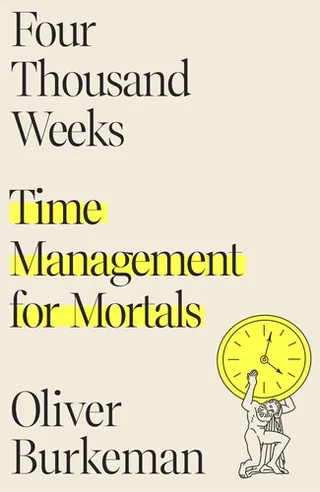
Four Thousand Weeks (opens audible.co.uk, external site)
Shaped how I think about how short and finite our time is, and what it means to choose how we spend it.
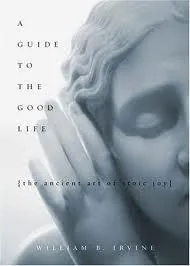
A Guide to the Good Life (opens audible.co.uk, external site)
Shaped how I think about noticing that each day is gone for good, and letting that sharpen rather than darken how I live it.
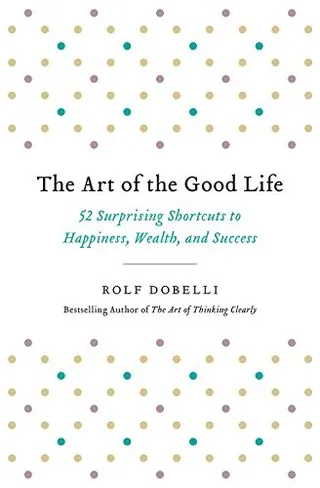
The Art of the Good Life (opens audible.co.uk, external site)
Shaped how I think about what makes a life feel well spent, beyond money and status.