The argument in brief
- The question
- Why do we keep failing to become the person we picture, even when we know exactly who that is?
- The claim
- The person we want to become is a different person from who we are today. When we put the change off until tomorrow, we create a debt for that future self and avoid paying it now, so change has to start as though it has already happened. Confidence: A personal reflection from my own experience. No studies are cited.
- The evidence
- My own experience of trying a lower-carbohydrate diet to cut my sugar cravings, picturing the healthier version of me, and still failing to change.
- No data or studies on habit change, willpower or mindset.
- The best counter
- Willpower and mindset may matter less than circumstances. Changing what is around us, so the old habit is harder and the new one easier, may do more than fighting ourselves, and repeated failure may say more about the plan than the person.
- What would change my mind
- Good evidence that people who plan a change for a set future date stick to it as well as, or better than, people who start immediately, or that mindset work makes no difference to whether new habits last.
- Open gaps
- 1 gap. Statements I haven't verified yet. Each is marked in the text.
The question: Why do we keep failing to become the person we picture, even when we know exactly who that is?We all have things we want to improve on. There are plenty of apps out there designed to help us stick to new habits and make a positive change, and yet we find ourselves back in the habit of doing things how we’ve always done them.
The pull of the familiar
Limits: This isn’t a recommendation of any diet. I mention a lower-carb diet only because it’s what I was trying at the time, and “addicted” describes how the cravings feel to me, not a diagnosis.For me, I love eating sugar. I strongly believe I am actually addicted to it, as the cravings for sugar can affect my behaviour to seek it out. Recently I chose to explore a lower carbohydrate diet to cut my sugar addiction, and yet while I can visualise that version of me who eats healthily, has energy and looks trim, I am still the person I always was. I failed to change.
The draw of the familiarity is stronger than the pull of change.
We are all creatures of habit. Unverified: We are programmed from before we are born to respond and behave in certain ways. Our upbringing shapes our values and habits, and in adulthood we operate mostly on the autopilot of habitual routine.Gap · needs evidence: This is my belief, not something I've checked. I haven't looked at the evidence on how much behaviour is shaped before birth, or how much of adult life really runs on habit.
So when we wish to make a change, we are essentially pitting ourselves in a fight against ourselves: the very version of ourselves who is trained to always do what is familiar and takes the least effort.
A debt for a different person
The problem is Claim, confidence:personal reflection: we fail to recognise that the person we want to become (and in my case, that’s the trim, low-carb ketogenic fanboi) is a different person to who we are today.
First we imagine our future self, and then we put the actions in the future too, for our future self to take. If you find yourself saying, “Tomorrow I’m going to be good and cut the sugar”, then you are creating a debt for a different person, a person who is in the future and not in the now. We avoid paying that debt right now.
Make the change, not the preparation
You must make habit changes, not prepare to make habit changes. It’s that simple. But don’t confuse simple with easy. It’s not easy. Don’t want to eat sugar? Then don’t eat sugar. Want to exercise more? Then exercise.
Now I recognise this advice is actually harder than it sounds. But what I’m really saying is that you must accept that you need to act as though the change has happened now, and not act as though the change will be happening tomorrow.
Willpower needs mindset
You may think that will require a lot of willpower. Willpower is what you use to fight your habitual self, who wants to get back to familiarity and derail you from your desired behaviour. But willpower alone is not enough, as the body will eventually figure out how to circumvent it.
A competing explanation: Changing our surroundings, so the old habit is harder and the new one easier, may do more than any amount of willpower or mindset. Repeated failure may say more about the plan than about the person.To counter this, you need mindset. You will need to continually renew your mindset. By reprogramming your mindset, you will be able to take control before your body overwhelms you. You will be able to use mindset to fuel your willpower. You will be able to use your mindset to identify the triggers that will cause you to go back to your old self.
Books behind this essay
Not sources for any claim here. These are books I have finished that shaped how I think about this question. Where I rely on evidence, it is cited in the text.
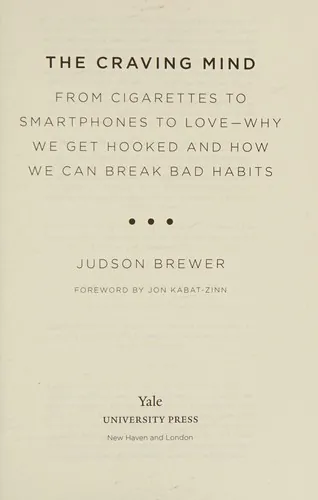
The Craving Mind (opens audible.co.uk, external site)
Shaped how I think about cravings and the habits that grow around them.
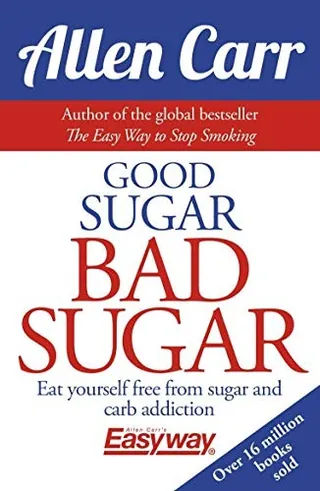
Good Sugar Bad Sugar (opens audible.co.uk, external site)
Shaped how I think about my own relationship with sugar.
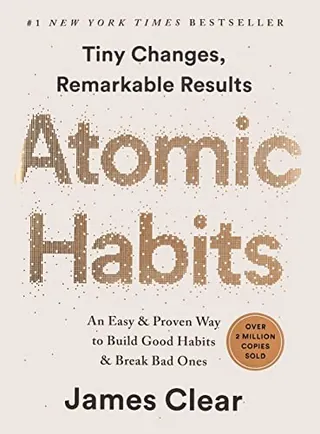
Atomic Habits (opens audible.co.uk, external site)
Shaped how I think about habits as the thing that has to change if I am to change.